

Secondary Research
This page will explore the current situation of scoliosis in Singapore, to figure out how to raise awareness about adolescent idiopathic scoliosis. School-based scoliosis screening is common, but there is still a lack of understanding about the origins of scoliosis, the appropriate measures needed to be taken, and how scoliosis affects the mind. Until the natural history of spinal deformity is better understood, raising awareness in the community should aid in allowing family members or friends to notice signs of scoliosis visually.
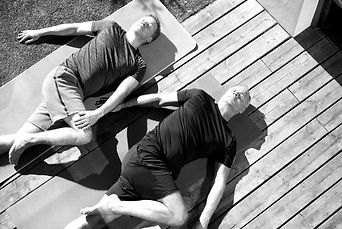
Conventional treatment for AIS includes monitoring, taking pain relievers, exercising to strengthen muscles, bracing, physical therapy, and surgery (Cleveland Clinic, 2024). An example of physical therapy is Schroth exercising. Bracing and Schroth exercises are proven to have positive results in reducing the degree of the curve. (Weinstein et al., 2013) (Schreiber et al., 2015)

Summary of Findings
A study of 1,176 children with AIS at KKH (2007–2011) found that 5.5% had severe scoliosis (Cobb angle ≥40°). Many delayed treatment due to being busy, not recognizing symptoms, or underestimating the issue. 27% sought alternative treatments before a formal evaluation. Over half were unaware of AIS before diagnosis. The COVID-19 pandemic worsened delays, increasing the number of Singaporean girls needing surgery.
AIS significantly impacts mental health, with 32% of patients experiencing anxiety and depression. Chronic back pain worsens sleep and emotional distress. Brace treatment adds stress due to body image concerns, leading some to avoid social interactions. Patients with severe, untreated scoliosis report lower self-image and quality of life (HRQoL). In contrast, Schroth exercises improve pain, self-image, and mental health.
Family support plays a crucial role—single-parent households report lower QoL, while a positive maternal attitude improves a child’s outlook. Strong social connections and mental well-being help mitigate the psychological effects of AIS.